
How to Choose the Right Liver Specialist for Cirrhosis in Delhi NCR
- Sri Balaji Action Medical Institute
- Jun 20, 2025
- 5 min read

Liver diseases are growing in prevalence globally, and cirrhosis—marked by irreversible scarring of the liver—is a condition that demands expert medical attention. If you or a loved one has been diagnosed with cirrhosis, finding the right liver specialist or hepatologist is the most crucial step toward managing the disease effectively. In a healthcare-rich region like Delhi NCR, choosing the best liver specialist can feel overwhelming due to the sheer number of options available.
This guide will help you navigate the process of finding a trusted gastroenterologist or liver specialist for cirrhosis treatment in Delhi NCR, with a special spotlight on the Sri Balaji Action Medical Institute, a leading name in liver care.
What is Cirrhosis? Understanding the Disease
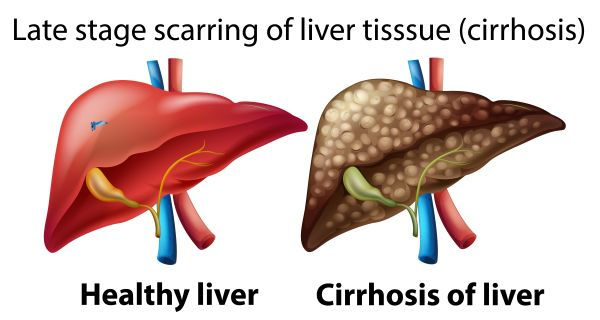
Cirrhosis is a chronic liver condition where healthy liver tissue is replaced by scar tissue, impairing the liver’s ability to function. It develops due to long-term liver damage and is commonly caused by:
Chronic hepatitis B or C
Alcoholic liver disease
Non-alcoholic fatty liver disease (NAFLD)
Autoimmune liver disorders
Long-term drug or toxin exposure
Symptoms may not appear in early stages but as it progresses, patients may experience fatigue, jaundice, abdominal swelling, easy bruising, confusion, and weight loss. Timely diagnosis and expert management are vital to avoid complications like liver failure or cancer.
Why You Need a Liver Specialist for Cirrhosis
Managing cirrhosis is complex and lifelong. General physicians or even regular gastroenterologists may not have the specialized experience needed to deal with advanced liver damage. Here’s why a liver specialist (hepatologist) is crucial:
Accurate diagnosis and staging of liver damage
Monitoring for complications like portal hypertension, varices, and liver cancer
Tailored treatment plans, including antiviral therapy, nutritional support, or liver transplant referral
Access to the latest technologies and clinical trials
Key Qualifications to Look for in a Liver Specialist
When choosing a gastroenterologist or hepatologist for cirrhosis, consider the following credentials and qualities:
1. Specialized Education and Training
Ensure the doctor holds an MD or DNB in Gastroenterology and has fellowship or clinical training in hepatology.
2. Experience in Managing Cirrhosis
Ask how many cirrhosis cases the doctor handles annually, especially advanced cases involving complications like ascites, encephalopathy, or variceal bleeding.
3. Hospital Affiliation
A liver specialist should be affiliated with a tertiary care hospital equipped with advanced liver care units, endoscopy suites, and ICU backup.
4. Research and Publications
Doctors who contribute to clinical research or academic publications in hepatology often offer more updated and evidence-based treatments.
5. Patient Reviews and Testimonials
Reading real-life patient experiences can help you gauge a doctor’s empathy, communication skills, and success in treating liver conditions.
Top Liver Treatments Available in Delhi NCR
Delhi NCR is home to world-class liver treatment facilities, offering a wide range of interventions for cirrhosis patients, including:
Antiviral medications for hepatitis-induced cirrhosis
Endoscopic procedures for varices
Paracentesis for ascites relief
Liver biopsy and imaging
Liver transplant programs
Having access to these facilities ensures you receive comprehensive and personalized care.
Why Sri Balaji Action Medical Institute Stands Out
When it comes to cirrhosis treatment in Delhi NCR, Sri Balaji Action Medical Institute is widely recognized for its multidisciplinary liver care team and cutting-edge technologies.
Highlights of Sri Balaji Action Medical Institute:
Advanced Liver and Digestive Institute with dedicated hepatologists and gastroenterologists
Full-time ICU and liver transplant backup
24/7 emergency liver care
State-of-the-art endoscopy, fibroscan, and imaging facilities
Comprehensive nutrition and counseling support
Affordable treatment packages and insurance coverage
The Institute is known for its patient-centric approach, focusing on holistic recovery through diet, lifestyle modification, medication, and interventional support.
What to Expect During Your First Visit to a Liver Specialist
When you first consult a liver doctor, be prepared for a thorough medical evaluation. The consultation generally includes:
Detailed medical history and lifestyle assessment
Physical examination
Blood tests including liver function tests (LFTs), viral markers, and clotting profile
Imaging such as ultrasound or FibroScan
Possibly an upper GI endoscopy to check for varices
Early diagnosis and proper staging are critical to managing cirrhosis progression and preventing complications.
Questions to Ask Your Liver Specialist
Choosing the right liver doctor involves asking the right questions. Here are some you should consider:
What is the cause of my cirrhosis?
How advanced is my condition?
What treatment options do I have?
How often do I need follow-up testing?
Will I need a liver transplant in the future?
What diet and lifestyle changes are necessary?
What complications should I be aware of?
Clear, open communication with your liver specialist builds trust and empowers you to manage your condition better.
Red Flags: When to Change Your Liver Specialist
If your current liver doctor is not meeting your expectations, here are signs it may be time to look for a new specialist:
Lack of clear communication about your condition
Outdated treatment protocols
Poor availability during emergencies
No multidisciplinary team support
Not providing long-term management plans
Your health is too important to settle for less-than-excellent care.
Tips for Managing Cirrhosis at Home
While medical supervision is key, managing cirrhosis also involves lifestyle and dietary modifications:
Avoid alcohol completely
Follow a low-sodium diet to manage fluid retention
Eat protein in moderation under supervision
Stay physically active within your tolerance
Take prescribed medications regularly
Attend regular follow-ups and screenings
Sticking to a care plan tailored by your specialist can significantly improve your quality of life.
When is a Liver Transplant Required?
A liver transplant becomes necessary when cirrhosis reaches the stage of end-stage liver failure. Signs you may need evaluation for a transplant include:
Recurrent fluid buildup despite treatment
Repeated hospital admissions
Hepatic encephalopathy (confusion due to liver toxins)
High MELD score (a marker for liver transplant urgency)
Sri Balaji Action Medical Institute offers referral support and pre-transplant assessments, guiding patients through every step of the transplant process when needed.
Conclusion: Choose Quality Liver Care That You Deserve
Cirrhosis is a serious condition, but with the right specialist, it can be effectively managed and even slowed down. Choosing the right liver specialist in Delhi NCR isn’t just about reputation—it’s about finding someone who provides comprehensive, compassionate, and cutting-edge care.
Sri Balaji Action Medical Institute has established itself as a leading center for liver care, offering expertise, advanced facilities, and personalized treatment for every stage of cirrhosis. Don’t wait for complications—take action today and consult a trusted liver specialist who can help you regain control over your liver health.
FAQs
Q1: How do I know if my cirrhosis is severe?A: Your liver specialist will use tests like MELD score, imaging, and blood work to stage the severity.
Q2: Can cirrhosis be cured?A: While scar tissue can’t be reversed, the progression can be halted or slowed with proper care.
Q3: What is the difference between a gastroenterologist and a hepatologist?A: A hepatologist specializes solely in liver diseases, while a gastroenterologist manages all digestive system disorders, including liver.
Q4: Is treatment for cirrhosis expensive in Delhi NCR?A: Costs vary, but Sri Balaji Action Medical Institute offers affordable packages and insurance options.
Q5: How often should I follow up with a liver specialist?A: Typically every 3–6 months, or more frequently depending on the severity and treatment plan.



Comments